Finding the Best Painters Perrysburg OH for Interior and Exterior Painting Projects
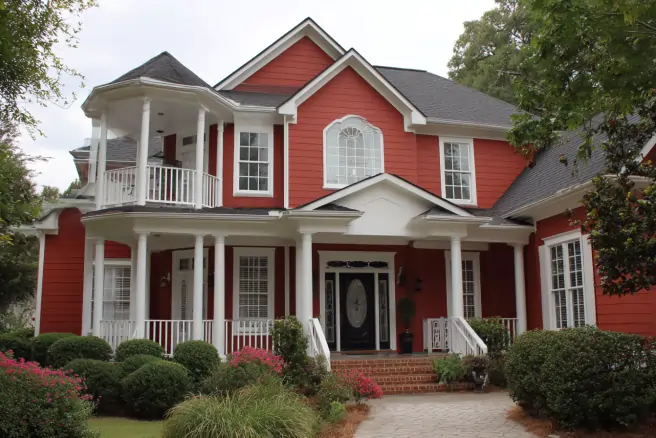
Painting projects can significantly transform the aesthetics and functionality of a space. However, interior and exterior painting projects differ in several key areas, such as paint composition, technique, durability requirements, and environmental considerations. Understanding these differences is essential to select the right materials and achieve optimal results.
Paint Composition: Formulated for Specific Conditions
One of the primary differences between interior and exterior painting projects lies in the paint formulation itself.
- Formulated to withstand cleaning, scuffs, and stains.
- Typically low-VOC (volatile organic compounds) or no-VOC to maintain indoor air quality.
- Emphasis on smooth finishes and a wide variety of colors.
- Less resistant to harsh weather conditions.
- Engineered for exposure to moisture, extreme temperatures, UV radiation, and pollutants.
- Contains additives like mildewcides and UV blockers for enhanced durability.
- Higher VOC levels are common due to stronger binders that resist wear over time.
| Feature | Interior Paint | Exterior Paint |
| Durability | Moderate | High (weather-resistant) |
| VOC Levels | Low or None | Moderate to High |
| Additives | Few | Includes mildewcides & UV blockers |
| Finish Options | Matte, Satin, Gloss | Primarily Satin or Semi-Gloss |
Environmental Factors
Exterior painting must account for weather conditions such as rain, wind, temperature fluctuations, sunlight exposure, and humidity. These factors influence both paint choice and application techniques.
For interiors: – Controlled environments mean fewer variables. – Humidity concerns are typically limited to bathrooms or kitchens.
For exteriors: – Timing becomes crucial; choosing dry weather with consistent temperatures ensures proper curing of the paint. – Surfaces must be prepared to handle elements like precipitation or direct sunlight exposure.
Surface Preparation Differences
Interior Surfaces: 1. Clean walls thoroughly to remove dust particles or grease stains. 2. Repair cracks or nail holes using spackling paste. 3. Sand down uneven areas for a smooth finish before priming.
Exterior Surfaces: 1. Pressure wash surfaces to remove dirt buildup or peeling paint layers. 2. Scrape off old paint manually if necessary (especially flaky sections). 3. Fill gaps with exterior-grade caulk that can withstand outdoor stressors.
Tool Selection: Tailored for Each Project
The tools used in each type of project vary based on scale and surfaces being worked on: – Interior Tools: Rollers with shorter naps, small angled brushes for detail work (e. g. , trim), drop cloths for floors.Exterior Tools: Longer-nap rollers for textured siding/bricks; extension poles; sprayers may be necessary for large areas like fences or decks.
Aesthetic vs Functional Goals
Finally, while aesthetics dominate interior painting decisions—color psychology plays a role indoors—exterior painting prioritizes protection above all else while still offering curb appeal enhancements through cohesive color schemes.
Understanding these critical differences ensures successful planning whether refreshing your living space’s interior beauty or safeguarding your home’s exterior against nature’s elements.
Exploring the Unique Aspects of House Painting Perrysburg OH and Their Applications
Painting projects can vary widely depending on their intended purpose, whether for interior or exterior spaces. Choosing the correct type of paint and application methods is crucial for achieving a long-lasting and aesthetically pleasing finish. Below, we explore the unique aspects of interior and exterior painting types, their specific applications, and how to determine the best approach for your project.
Interior Painting Services by the Top Painting Company Perrysburg OH
Interior painting focuses primarily on aesthetics and creating a conducive indoor environment. The paints used for interiors are specially formulated to meet functional and decorative needs: www.perrysburgpainting.net
Key Features of Interior Paints:
- Low VOC Levels: Most interior paints are designed with low levels of volatile organic compounds (VOCs) to ensure safety in enclosed spaces.
- Smooth Finish: These paints often provide a refined texture, ideal for walls, ceilings, and trim work.
- Durability Against Cleaning: High-quality interior paints are washable, making them resistant to stains or smudges from daily activity.
- Matte vs. Gloss Options: Interior paint finishes range from flat/matte finishes to semi-gloss or high gloss for accentuating details.
Common Applications:
- Living rooms – often benefit from warm tones with matte or eggshell finishes.
- Kitchens – require washable surfaces; semi-gloss or satin finishes work well here.
- Bathrooms – moisture-resistant formulations like mildew-resistant paints ensure longevity.
Interior & Exterior Painting Perrysburg OH: Built to Withstand Harsh Conditions
Exterior paint must endure changing weather conditions while providing an attractive appearance. Its durability is critical since outdoor surfaces face constant exposure to sunlight, rain, wind, dirt, and other environmental factors.
Key Features of Exterior Paints:
- Weather Resistance: Formulated with binders that resist cracking, peeling, or fading under extreme conditions.
- UV Protection: UV-blocking agents prevent sun damage that could lead to discoloration over time.
- Mildew Resistance: Exterior formulations often include additives designed to combat mold or mildew growth in humid climates.
- Thicker Coverage: Typically more viscous than interior paint for better adherence to rougher surfaces like wood or masonry.
Common Applications:
- House siding – requires fade-resistant colors that maintain vibrancy over years of exposure.
- Outdoor furniture – durable paints protect metal or wooden furniture from rusting or rotting due to weather elements.
- Doors and trims – optimal protection against wear-and-tear caused by frequent use.
Differences in Application Techniques
| Aspect | Interior Painting | Exterior Painting |
| Surface Preparation | Cleaning walls; patching holes | Power washing; scraping loose paint |
| Tools | Rollers/brushes; sprayers optional | Brushes/rollers; sprayers common |
| Drying Time | Faster due to controlled indoor conditions | Longer due to outdoor moisture/humidity |
Making the Right Choice for Your Space
Understanding these differences allows you to select paint products suitable for your specific project needs while ensuring durability and visual appeal across various spaces. Whether you’re refreshing a bedroom wall with calming hues or revamping your home’s exterior façade with vibrant shades built to last through the seasons—choosing the right techniques ensures professional results tailored uniquely for every space you transform.
Surface Preparation Techniques for Achieving a Professional Paint Finish
Proper surface preparation is the foundation of any professional-quality paint job. Whether you’re painting walls, ceilings, furniture, or outdoor surfaces, investing time and effort into preparing the surface before applying paint ensures durability, even coverage, and a smooth finish. Below are detailed techniques and steps for effective surface preparation.
Assess the Current Condition of the Surface
Before starting any painting project, evaluate the condition of the surface to identify potential issues such as cracks, peeling paint, stains, or mold.
- Peeling Paint: Scrape off loose or flaking paint with a putty knife or scraper.
- Cracks or Holes: Fill gaps with appropriate fillers such as spackling paste (for interior projects) or exterior-grade filler for outdoor surfaces.
- Stains or Dirt: Clean areas thoroughly to ensure paint adheres properly.
Cleaning the Surface
A clean surface is essential for achieving an even application of paint. Dirt, grease, and grime can interfere with adhesion.
| Surface Type | Cleaning Method | Tools Needed |
| Drywall (Interior) | Wipe with a damp cloth; use mild detergent if needed | Sponge, water bucket |
| Wood Surfaces | Sand lightly to remove dirt; use wood cleaner | Sandpaper (120-150 grit), rag |
| Masonry/Concrete | Pressure wash for deep cleaning | Pressure washer |
Sanding
Sanding eliminates rough patches and creates a smooth base that allows primer and paint to adhere better.
- Coarse Grit (60-80): For removing rough textures or thick layers of old paint.
- Medium Grit (120-150): Ideal for smoothing patched areas.
- Fine Grit (180-220): Best for achieving an ultra-smooth finish before painting.
For larger projects like walls or ceilings, consider using an electric sander to save time.
Priming the Surface
Primers play an essential role in sealing porous surfaces and enhancing paint adhesion.
- Oil-Based Primer: Great for high-moisture areas like kitchens and bathrooms.
- Water-Based Primer: Suitable for drywall and general interior applications.
- Tannin Blocking Primer: Ideal for wood surfaces prone to bleeding (e. g. , cedar).
Apply one coat of primer evenly using a quality brush or roller. Allow sufficient drying time as listed on the product label before applying paint.
Masking and Taping
- Baseboards
- Window trims
- Door frames
Additionally, cover floors with drop cloths to safeguard against spills during application.
Inspect Before Starting
Once cleaned, patched, sanded, primed, and taped off appropriately, inspect your work carefully. Look for imperfections such as uneven patches or missed spots that may affect the final result. Address these issues before opening your can of paint.
By meticulously following these preparation techniques tailored to your project’s needs, you set yourself up for success in achieving a flawless finish that stands out both in appearance and durability.
Surface Preparation Techniques for Achieving a Professional Paint Finish
Proper surface preparation is a critical step in achieving a professional-quality paint finish. Neglecting this phase can result in uneven coverage, poor adhesion, and a shorter lifespan for the paint. Below are key surface preparation techniques that help ensure your painting project achieves durable and visually appealing results.
Cleaning the Surface
Before applying any paint, it is important to clean the surface thoroughly. Dirt, grease, and debris can interfere with paint adhesion.
- Walls and Ceilings: Use mild soap and water for general cleaning or a degreaser for areas prone to oily residue, such as kitchen walls.
- Exterior Surfaces: Pressure washing is often ideal for removing dirt and mildew from siding or other outdoor elements.
- Wood Surfaces: Sanding combined with wiping using a damp cloth ensures that dust does not affect the finish.
Repairing Imperfections
Surfaces need to be smooth and free of damage before paint application.
- Filling Holes: Apply spackle or wood filler using a putty knife. Once it dries completely, sand down to align with the surrounding surface.
- Fixing Cracks: Use caulk for narrower cracks or joint compound for larger gaps in drywall.
- Handling Peeling Paint: Scrape away loose paint using a scraper or wire brush to avoid uneven coverage.
Sanding for Smoothness
Sanding creates an even texture that promotes better paint adhesion.
| Sandpaper Grit | Purpose |
| 60–80 | Removing heavy layers of old paint or varnish |
| 100–150 | General smoothing of surfaces before primer application |
| 220+ | Final smooth sanding before applying coats of finish paint |
Always wipe away sanding dust with a tack cloth or vacuum attachment to maintain cleanliness.
Priming the Surface
Primers are essential for preparing surfaces by sealing porous materials and creating an optimal base layer.
- On bare wood, metal, or drywall.
- When transitioning between drastically different colors (e. g. , dark-to-light).
- For repairing stained surfaces where discoloration might bleed through new coats.
Select primers specifically formulated for interior or exterior use as needed. Apply evenly following manufacturer recommendations on drying times.
Masking and Taping
- Use painter’s tape along edges (e. g. , trim, windows) to maintain clean lines.
- Cover floors with drop cloths made from canvas rather than plastic since they stay in place better and prevent slipping.
Secure tape firmly along edges but remove it shortly after painting while the coat is still slightly wet to avoid peeling cured layers later on.
Benefits of Proper Preparation
- Enhances durability by improving how well the paint adheres.
- Reduces uneven textures caused by underlying imperfections.
- Promotes even color consistency across all painted areas.
- Saves time during application by minimizing touch-ups required later on.
By focusing on these foundational steps before opening your first can of paint, you ensure both professional-grade results and long-lasting beauty in your painting project.
Application Methods and Tools for Perfectly Painted Surfaces
Achieving a flawless paint finish is not solely about selecting the right paint; it also involves using the correct application methods and tools. The techniques and tools you choose can significantly impact the final result, whether you’re painting walls, furniture, or outdoor surfaces. Below is an in-depth guide to help you achieve professional-grade results.
Common Application Methods
Different painting projects often call for different application techniques.
- Best for: Trim work, detailed areas, and smaller surfaces.
- Pros: Offers precision and control in confined spaces.
- Cons: Slower process compared to other methods; may leave brush marks if not done properly.
- Best for: Large, flat surfaces like walls and ceilings.
- Pros: Covers large areas quickly and provides an even coat when used correctly.
- Cons: Edges may require additional precision work with a brush to avoid uneven coverage.
- Best for: Large-scale projects or intricate surfaces like furniture with multiple grooves or textures.
- Pros: Provides a smooth, factory-like finish; ideal for hard-to-reach spots.
- Cons: Requires masking off areas to prevent overspray; equipment can be costly.
Essential Painting Tools
| Tool | Best Use Case | Advantages |
| Paintbrush | Trim, edges, detail work | Precision application |
| Paint roller | Walls, ceilings | Quick coverage of large areas |
| Paint sprayer | Furniture, outdoor projects | Smooth finish on intricate surfaces |
| Painter’s tape | Edges and corners | Prevents unwanted drips or smudges |
| Drop cloths | Floors, furniture protection | Keeps surrounding areas clean |
Tips for Effective Application
- Use High-Quality Tools:Investing in high-quality brushes or rollers ensures better coverage and minimizes streaking.
- Work in Sections:For large areas such as walls or ceilings, divide your workspace into smaller sections to maintain consistent coverage.
- Maintain Proper Technique: When using a brush or roller:
- Use long strokes to avoid uneven patches.
- Avoid overloading the tool with paint to prevent dripping.
- Feather out edges to eliminate harsh lines between sections.
- Dilute Paint When Spraying:If using a sprayer, ensure that the paint is appropriately thinned as per manufacturer instructions for better flow through the nozzle.
Common Mistakes to Avoid
- Skipping Surface Preparation — Inadequate prep causes poor adhesion and an uneven finish (e. g. , not sanding rough spots).
- Overlapping Dry Sections — Always maintain a “wet edge” while painting large surfaces to avoid mismatched textures.
- Ignoring Ventilation — Poor ventilation can lead to strong fumes accumulating indoors during application.
By mastering these tools and techniques while adhering to proper practices, you can transform any surface into a beautifully painted masterpiece that stands out for its professional quality finish.
Color Choices and Trends to Inspire Your Next Painting Project
Color selection plays a pivotal role in painting projects, as it sets the tone and mood of a space. Whether you’re refreshing your home’s interior or revamping an outdoor area, understanding current color trends and making informed choices can enhance the visual appeal and functionality of your project.
Popular Color Trends for Interiors
Interior color choices are often influenced by broader design trends, lifestyle preferences, and psychological effects.
- Earthy Neutrals: Shades such as beige, taupe, and warm grays create a calming, grounded atmosphere while complementing a variety of furniture styles.
- Muted Greens: Soft greens like sage or olive bring a natural feel indoors, symbolizing growth and balance.
- Soft Pinks and Terracottas: Warm hues like blush pink or terracotta add coziness to spaces without being overwhelming.
- Deep Jewel Tones: Colors like emerald green, sapphire blue, or deep burgundy make bold statements in living rooms or accent walls.
- Monochromatic Palettes: Layering different tones of the same color offers depth while maintaining simplicity.
Exterior Color Trends to Elevate Curb Appeal
When selecting exterior colors, it’s essential to consider durability alongside aesthetics.
- Pairing dark siding with light trim (e. g. , charcoal gray siding with white trim) creates a striking yet timeless appearance.
- Light siding with black window frames is another contemporary favorite.
- Earth-inspired shades like clay browns or stone grays blend harmoniously with landscapes.
- Soft greens for shutters or doors evoke freshness when set against neutral facades.
- Two-Tone Exteriors: Using two complementary colors for siding adds dimension. A common approach is combining horizontal planks in one shade with vertical cladding in another.
| Interior Trend | Key Features | Ideal Spaces |
| Earthy Neutrals | Timeless versatility | Living rooms, bedrooms |
| Muted Greens | Connection to nature | Kitchens, bathrooms |
| Deep Jewel Tones | Bold statement | Accent walls |
Tips for Choosing the Right Color Scheme
- Understand Lighting Impact:Natural and artificial lighting can significantly alter how paint appears in different spaces. Test samples during various times of the day before finalizing your choice.
- Consider Room Size:Darker colors often make rooms feel smaller but cozier. Lighter shades open up compact spaces by reflecting more light.
- Factor in Mood: For example:
- Blues promote relaxation—ideal for bedrooms or bathrooms.
- Yellows evoke energy—perfect for kitchens or play areas.
- Test Complementary Colors:Use tools like color wheels or digital apps to explore complementary palettes that enhance harmony across connected spaces.
Innovative Uses of Color
- Add stripes or geometric patterns on feature walls for modern aesthetics.
- Paint ceilings in soft pastels instead of standard white to add subtle character to any room.
- Use stencils to create intricate designs on accent walls without committing fully to wallpaper.
Choosing the right colors not only enhances your space visually but also influences how you experience it emotionally. By staying informed about trends and experimenting thoughtfully with palettes, you can create environments that align perfectly with your vision.
Weather Considerations When Planning Your Painting Endeavor
When undertaking a painting project, weather plays a critical role in determining the success and longevity of the results. Below are key factors to consider when planning your painting endeavors.
Ideal Weather Conditions for Exterior Painting
Exterior painting is particularly sensitive to environmental factors. Choosing the right day to begin your project can ensure proper adhesion and durability of the paint.
- Temperature: Most exterior paints perform best within a temperature range of 50°F to 85°F (10°C to 29°C). Always check the manufacturer’s recommendations on temperature ranges.
- Humidity Levels: High humidity slows down the drying process, which can lead to dripping or sagging paint. If you live in a humid climate, start painting during late morning or early afternoon when dew has evaporated but moisture buildup is minimal.
- Wind ConditionsLight breezes are fine but avoid windy days for smoother finishes.
| Weather Factor | Recommended Range/Condition | Potential Risks |
| Temperature | 50°F – 85°F (10°C – 29°C) | Cracking (cold), uneven drying (hot) |
| Humidity | Less than 70% | Dripping, delayed drying |
| Wind Speed | Light breezes only | Dust contamination |
Interior Painting and Seasonal Timing
- Ventilation: Proper airflow is essential during indoor projects as it helps dissipate fumes from paints with volatile organic compounds (VOCs). Choose mild weather so windows can remain open for extended periods without discomfort.
- Temperature Control: Indoor spaces should ideally maintain temperatures between 60°F and 80°F (15°C and 27°C) during painting. Centralized cooling or heating systems may need adjustments depending on seasonal outdoor conditions.
- Rainy Seasons: Even though interior spaces are shielded from rain, excessive moisture in the air during rainy periods can affect how quickly paint dries.
The Role of Seasonal Changes
- Spring: A great time for both interior and exterior projects as temperatures are moderate. However, be cautious of rainy spells which may delay exterior work.
- Summer: While summer offers long daylight hours for outdoor projects, extreme heat might speed up drying times unnaturally or make textured surfaces difficult to coat evenly.
- Fall: Another excellent season due to cooler temperatures that allow steady curing times; however, earlier sunsets may limit working hours outside.
- Winter: Suitable primarily for indoor projects since cold conditions make exterior work challenging unless specialized winter-formulated paints are used.
Tips for Navigating Unpredictable Weather
- Monitor detailed weather forecasts leading up to your planned start date.
- Reserve buffer days in case unexpected rain or wind disrupts progress.
- Invest in high-quality paints designed for varying climate conditions if you live in regions with fluctuating weather patterns.
By carefully considering these factors before starting your painting project, you’ll ensure a professional-grade finish that withstands time and environmental stressors alike while minimizing potential setbacks from adverse weather conditions.
- Finding the Best Painters Perrysburg OH for Interior and Exterior Painting Projects
- Everything New Homeowners Need to Know About Hiring a Painting Company Perrysburg OH
- House Painting Perrysburg OH: Techniques and Tools for Successful Home Projects
- How Often Should You Repaint Interior and Exterior Walls for a Fresh Look in House Painting Perrysburg OH
- 10 Important Factors Painters Perrysburg OH Recommend When Buying House Paint for Your Next Project
- Tips for House Painting Perrysburg OH: Proper Preparation and Maintenance